HUNGARIAN WINE 101
THE STORY OF
HUNGARIAN WINE
Hungary is home to one of Europe’s oldest wine cultures, once celebrated on royal tables across the continent. Tokaj earned its place in history as “the wine of kings, the king of wines”, and native grapes like Furmint and Kékfrankos shaped a unique, terroir-driven tradition.
So why isn’t Hungarian wine better known today?
FROM ANCIENT ROOTS…
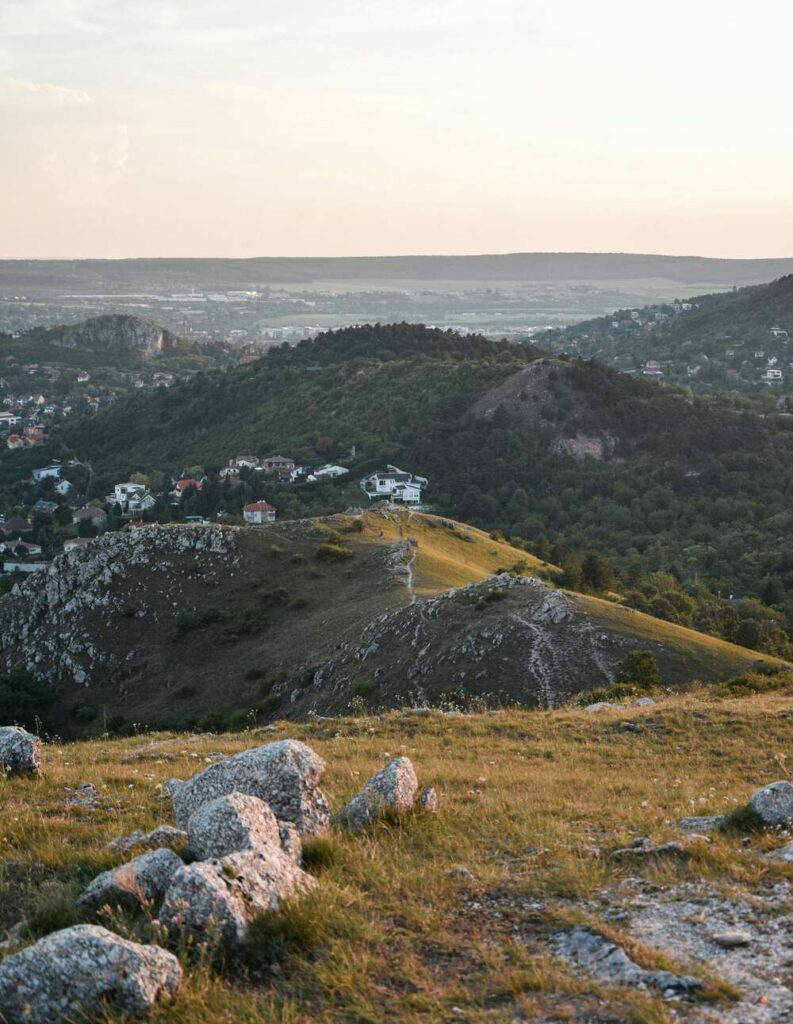
Few countries offer such diversity in soil, grape, and style as Hungary — one of Europe’s oldest wine cultures. Long overlooked, it’s now being rediscovered through small producers blending heritage, nature, and craft championing volcanic terroir and a new generation of natural winemaking.
8 DISTINCT WINE REGIONS
Hungary’s wine map spans 22 official regions, each with its own story, terroir, and signature grapes — but these eight stand out for their history, quality, and unique character.
1. TOKAJ
UNESCO-listed Tokaj is Hungary’s most famous wine region, known for volcanic soils, native grapes like Furmint and Hárslevelű, and the legendary Tokaji Aszú sweet wine. Today, it also produces world-class dry whites.
2. SOMLÓ
Tiny but iconic, Somló’s basalt hill yields intense, long-lived whites from Juhfark, Hárslevelű, and Furmint—famous for their volcanic minerality and aging potential.
3. EGER
Home of the historic Egri Bikavér “Bull’s Blood” red blend and fresh Egri Csillag whites, Eger combines Kékfrankos, Kadarka, and Furmint with a cool-climate edge for elegant, spicy wines.
4. VILLÁNY
Hungary’s warmest wine region, Villány excels with powerful, Bordeaux-style reds—especially its signature Cabernet Franc—producing full-bodied wines with ripe fruit and spice.
5. SZEKSZÁRD
Szekszárd offers a softer, more elegant take on southern reds, led by Kékfrankos and Kadarka. Its balanced Bikavér blends are smooth, food-friendly, and steeped in tradition.
6. MÁTRA
Hungary’s largest wine region by area, Mátra is gaining attention for fresh, aromatic whites and lighter reds. Its foothill vineyards are a hotspot for organic and natural wine.
7. BALATON
Surrounding Central Europe’s largest lake, the Balaton region produces mineral-driven whites from Olaszrizling, Kéknyelű, and Juhfark, alongside crisp sparkling wines from volcanic slopes.
8. HAJÓS-BAJA
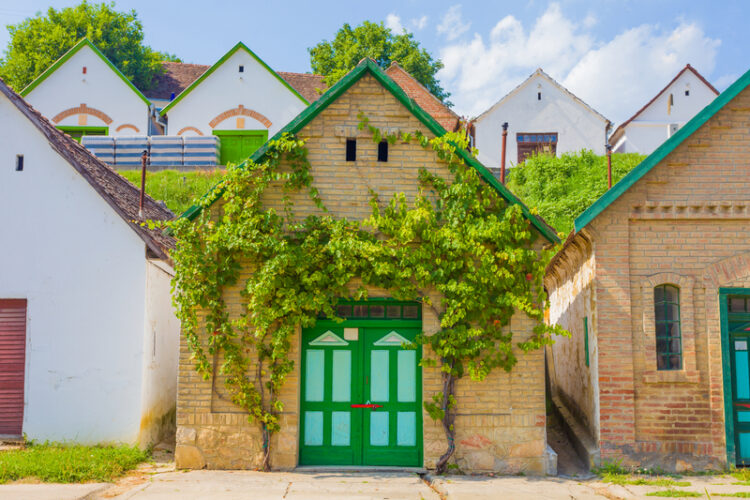
Famous for its 1,200 wine cellars carved into loess hills, Hajós-Baja produces approachable reds from Kékfrankos and Kadarka, alongside fresh aromatic whites. A new wave of small producers is adding natural and experimental styles to the mix.
“The sheer breadth of flavors, styles and terroirs offered by the relatively small country is astounding.”
The Quirky Cork
HUNGARIAN NATIVE GRAPES
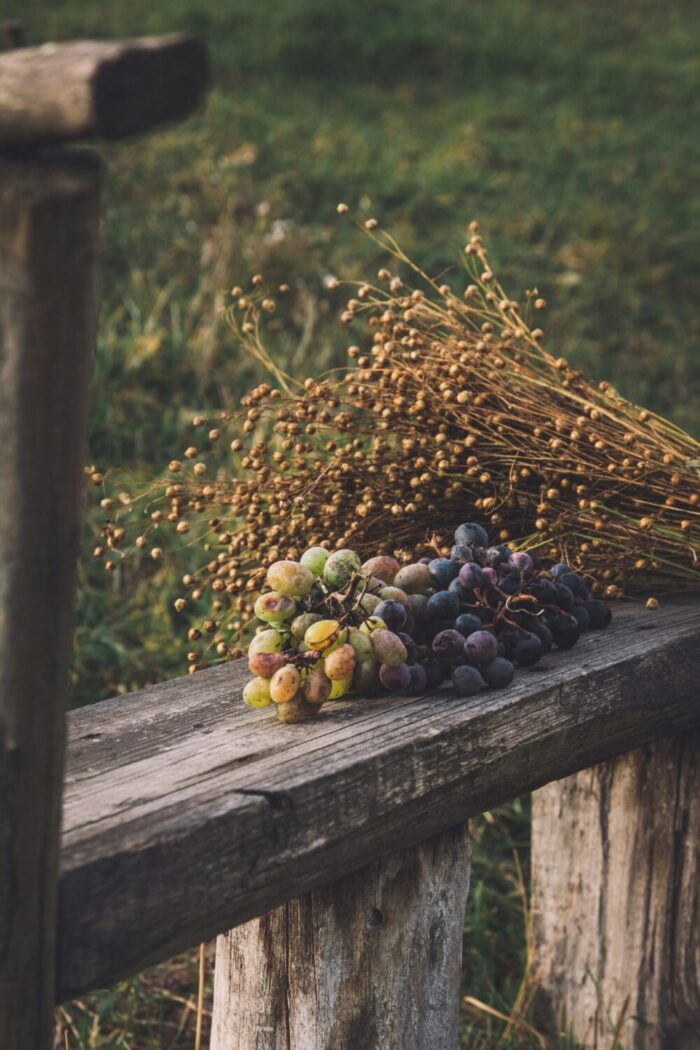
Hungary’s vineyards are home to over 30 native grape varieties rarely found elsewhere. Here are a few that truly tell the story of this land.
JUHFARK
Unique to Somló, Juhfark makes intensely mineral, citrusy whites with remarkable ageing potential.
KÉKFRANKOS
Known elsewhere as Blaufränkisch, this is Hungary’s most planted red, giving medium-bodied wines with red cherry, spice, and bright acidity.
KADARKA
An old, delicate red grape that shines in lighter styles, offering vibrant red fruit and peppery notes.
FURMINT
Hungary’s signature white grape, Furmint is the backbone of both Tokaji sweet wines and increasingly impressive dry whites. Expect crisp acidity, pear and apple notes, and a chalky minerality.
HÁRSLEVELŰ
Often blended with Furmint in Tokaj, it brings floral aromas and a softer mouthfeel.
KÉKNYELŰ
A rare white grape found almost only around Lake Badacsony, Kéknyelű yields elegant, subtly spicy wines with bright acidity and a signature volcanic minerality.
WE ARE POURING…
-
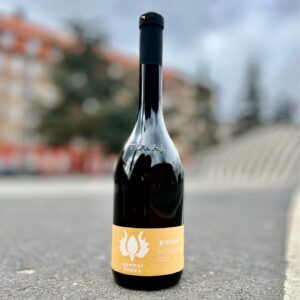
Homoky Dorka BIRTOK skin-contact 2021
199,00 kr. -
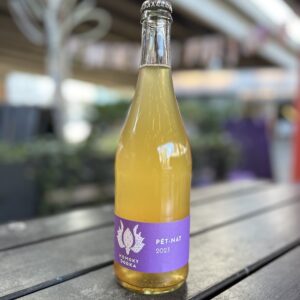
Homoky Dorka PÉT-NAT 2023
199,00 kr. -
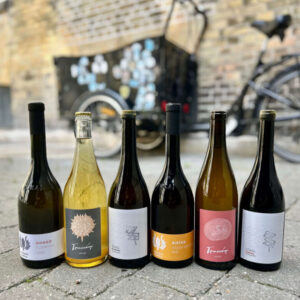
Hungarian Natural Wine Tasting Box
1.199,00 kr. -
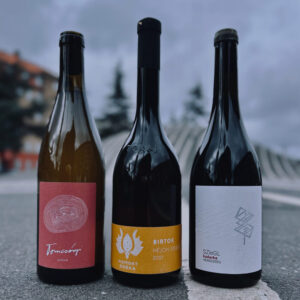
ROOTS tasting box
649,00 kr. -
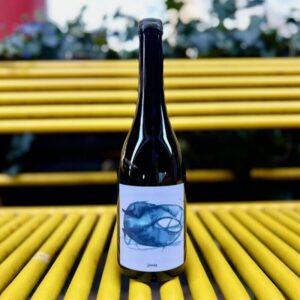
Sziegl JÓNÁS 2023
209,00 kr.
PAIR IT LIKE A LOCAL
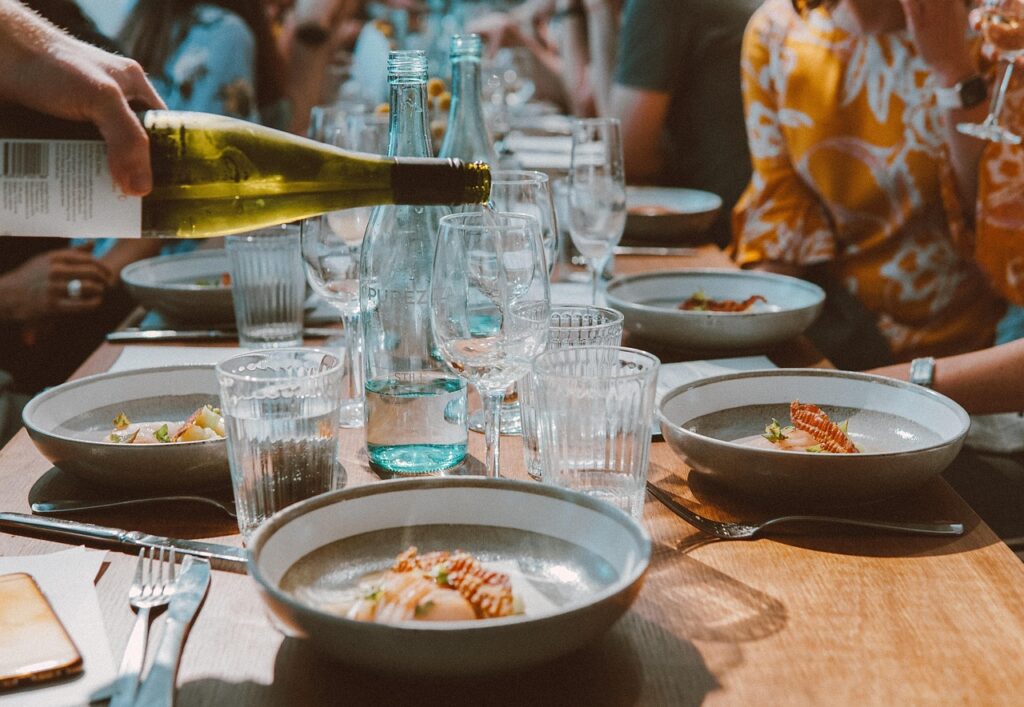
One of the joys of Hungarian wine is how versatile it is at the table. Here are some pairing ideas:
Tokaji Aszú: Beyond foie gras or dessert, pair with blue cheese or spicy Asian dishes — it’s a revelation.
Dry Furmint: Great with Nordic seafood, fried white fish, or creamy cheeses.
Hárslevelű or Juhfark: Try with roast chicken, grilled vegetables, or even richer pork dishes.
Egri Bikavér or Kékfrankos: Excellent with grilled lamb, duck, or charcuterie.
FAQ ABOUT HUNGARIAN WINE
What is the famous Hungarian wine called?
The most famous Hungarian wine is Tokaji Aszú, a sweet wine from the UNESCO-listed Tokaj region. Made from late-harvest grapes affected by noble rot, it has been prized for centuries by royalty and writers across Europe. Today Tokaj also produces excellent dry whites, especially from the Furmint grape.
What is the most popular wine in Hungary?
Among white wines, Furmint is the most important, especially in Tokaj. For reds, Kékfrankos (also known as Blaufränkisch) is Hungary’s most widely planted grape, making fresh, spicy reds and playing a key role in blends like Egri Bikavér (“Bull’s Blood”).
Are Hungarian wines any good?
Yes — Hungarian wines are increasingly recognised for their quality and uniqueness. With volcanic soils, over 30 native grape varieties, and centuries of tradition, they offer distinctive flavours not found elsewhere. Many are also excellent value compared to wines from France or Italy.
How can I buy Hungarian wine online in Denmark?
You can order Hungarian wines directly through our webshop at Kárpát Tales. We curate small-batch bottles from independent winemakers and ship across Denmark. Sign up to our launch list to be notified when the shop opens and get early access to rare releases and tasting events.
What is a Hungarian red wine?
Hungary produces a wide range of red wines. Key styles include:
Kadarka — an old, lighter red variety known for red fruit and peppery notes.
In the south, regions like Villány and Szekszárd also make powerful reds from international grapes like Cabernet Franc and Merlot.
Egri Bikavér (“Bull’s Blood”) — a historic blend led by Kékfrankos.
Kékfrankos — Hungary’s signature red grape, medium-bodied with cherry, spice, and lively acidity.

Book a wine tastings
We offer customized wine tastings where you can learn about Hungary’s rising wine scene, native grapes and volcanic wines.
We keep it low-key, story-led, and designed to spark good conversation.
HUNGARIAN WINE IN SHORT
Heritage: Over 1,000 years of winemaking tradition
Wine regions: 22 officially recognized across the country
Native grapes: 37 indigenous varieties (e.g. Furmint, Juhfark, Kadarka, Kékfrankos)
Signature styles: From Tokaji sweet wines to volcanic dry whites and bold southern reds
Terroir: Volcanic hills, lakeside vineyards, continental climate
Modern trend: Small family estates, organic and low-intervention winemaking
Global status: Historic wines making a strong comeback on the world stage