
Your basket is currently empty!
HUNGARIAN WINE REGIONS
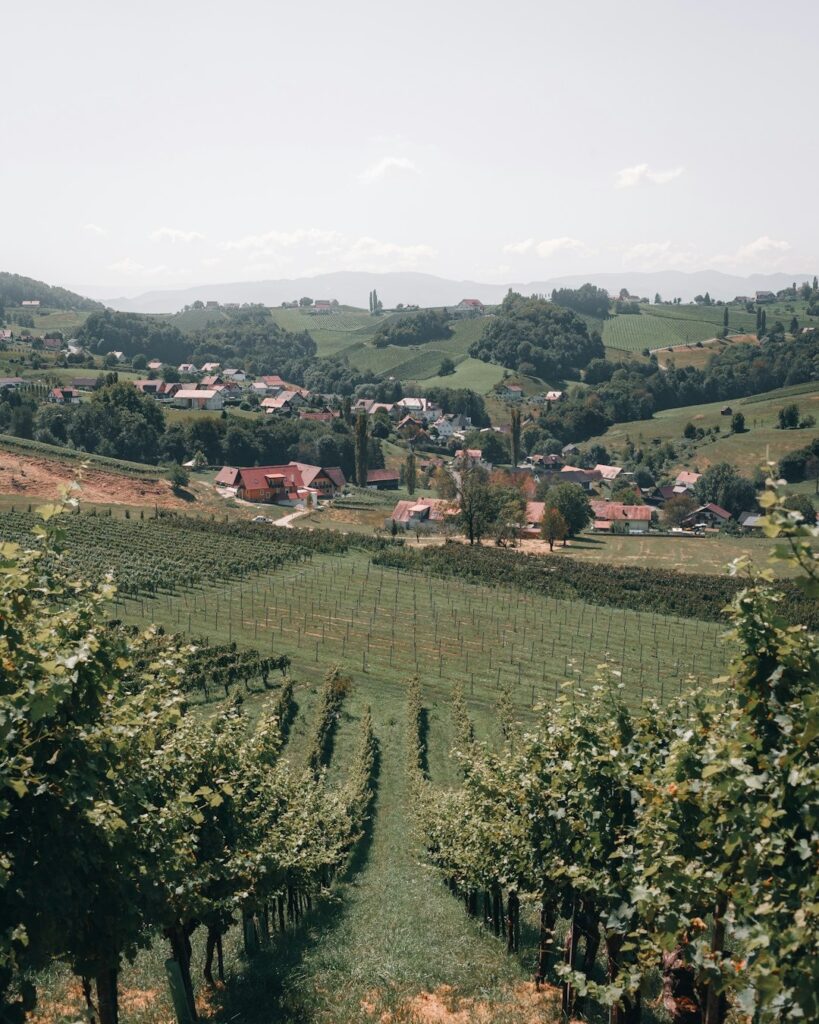
Few countries pack such geological and cultural diversity into such a small space. With 22 wine regions — more than France — Hungary offers a patchwork of native grapes, shifting microclimates, and quietly revived traditions.
INSIDE THE WINE REGIONS OF HUNGARY

Volcanic origins
40% of vineyards grow on ancient volcanic soil — rare worldwide, giving wines salty minerality and structure.

Compact but varied
In just a few hours’ drive you can move from Alpine foothills to Mediterranean-like plains — a patchwork of climates and styles.

Native grapes
Over 30 local varieties like Furmint, Juhfark, Kadarka, and Kéknyelű — unique flavors you won’t find elsewhere.

Revival of craft
A new wave of winemakers blends tradition with natural techniques, reviving rare grapes and old cellars.
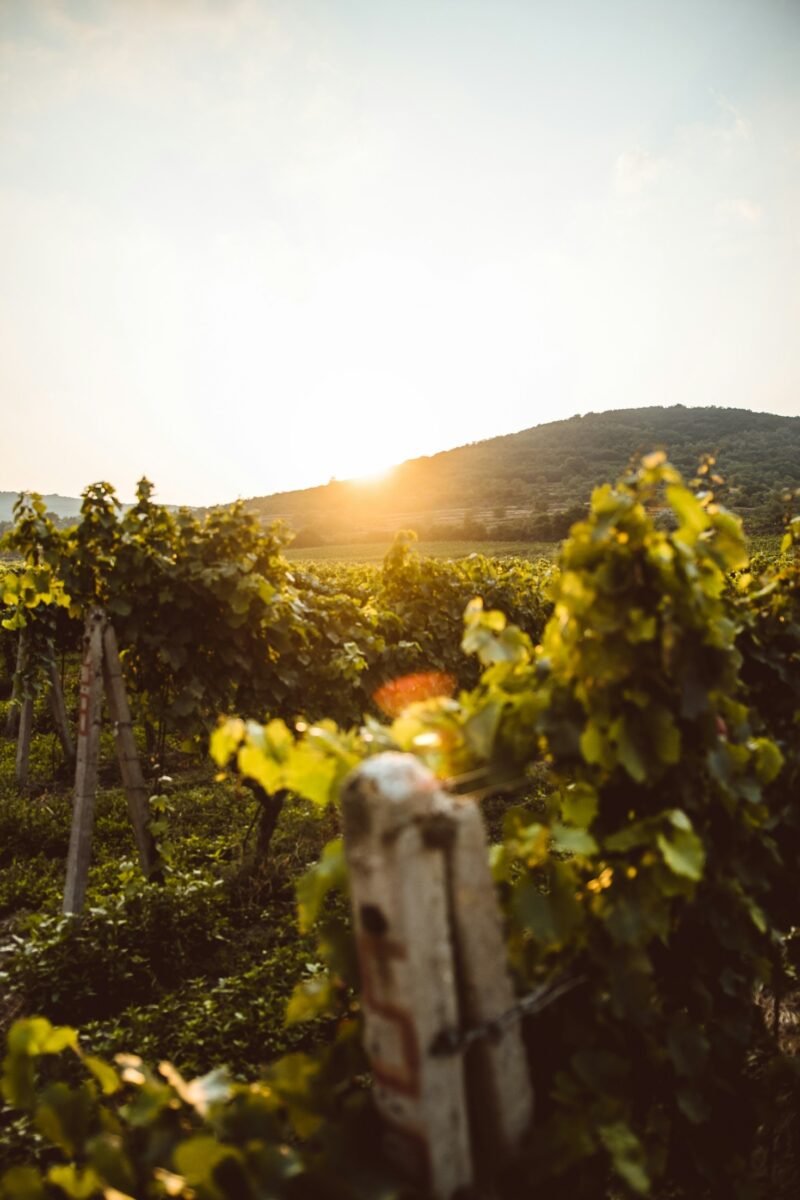
“Hungary is Europe’s hidden gem of indigenous grapes and volcanic terroirs.“
Decanter Magazine
8 KEY HUNGARIAN WINE REGIONS
Among Hungary’s 22 regions, a handful stand out for their heritage, soils, and native grapes. From Tokaj’s volcanic whites to Villány’s bold reds, these eight regions capture the country’s diversity and character.
Tokaj region
Known for: Furmint, Hárslevelű, Aszú, Szamorodni
Soil: Volcanic tuff, loess, clay
Style: Dry and sweet whites with mineral tension
Hungary’s most historic region — world-famous for Aszú and now praised for precise, volcanic dry whites.
Somló region
Known for: Juhfark, Hárslevelű, Olaszrizling, Furmint
Soil: Basalt from an extinct volcano
Style: Salty, smoky whites with aging potential
A tiny, volcanic hill producing intense, age-worthy whites with cult appeal.
Badacsony region
Known for: Olaszrizling, Kéknyelű, Szürkebarát
Soil: Basalt, clay, loess
Style: Floral, structured whites with volcanic character
Terraced vineyards above Balaton yield textured, mineral-driven wines with rare native grapes.
Villány region
Known for: Cabernet Franc, Portugieser, Merlot
Soil: Limestone, loess
Style: Full-bodied, polished reds
Warm-climate powerhouse for structured reds — modern, bold, and internationally recognized.
Hajós-Baja
Known for: Kékfrankos, Kadarka, aromatic whites
Soil: Loess, sand, limestone
Style: Approachable, fruit-forward reds and fresh whites
A cellar-village of 1,200 caves, now buzzing with fresh, natural reds.
Mátra region
Known for: Irsai Olivér, Cserszegi Fűszeres, Királyleányka
Soil: Volcanic tuff, andesite
Style: Aromatic, easy-drinking whites with freshness
Hungary’s aromatic white capital — cool slopes, value wines, and a wave of new winemakers.
Eger region
Known for: Egri Bikavér, Kékfrankos, Kadarka
Soil: Brown forest soil, volcanic tuff
Style: Cool-climate reds, elegant whites, blends
Historic red blends meet fresh, spice-driven reds and crisp whites in volcanic terrain.
Szekszárd region
Known for: Kadarka, Bikavér, Kékfrankos
Soil: Loess, clay, limestone
Style: Medium-bodied, spicy reds with softness
Silky reds with floral lift — a softer counterpart to Villány with strong family traditions.

Book a wine tastings
We offer customized wine tastings where you can learn about Hungary’s rising wine scene, native grapes and volcanic wines.
We keep it low-key, story-led, and designed to spark good conversation.
MAPPING HUNGARY’S 22 WINE REGIONS
These 22 wine regions are divided into five broader areas, revealing how geography shapes grape and style.
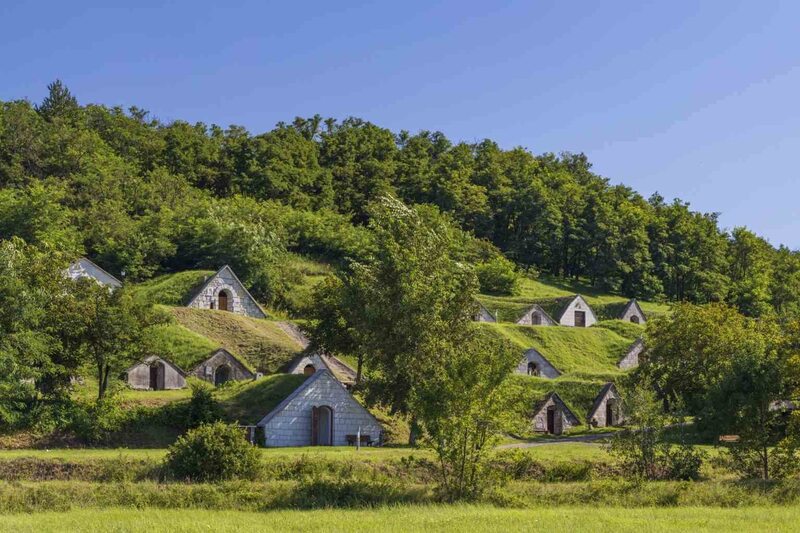
Northern Hungary
Mountainous and cool, this area blends volcanic soils with crisp, structured wines — both white and red.
- Eger
- Mátra
- Bükk
- Tokaj
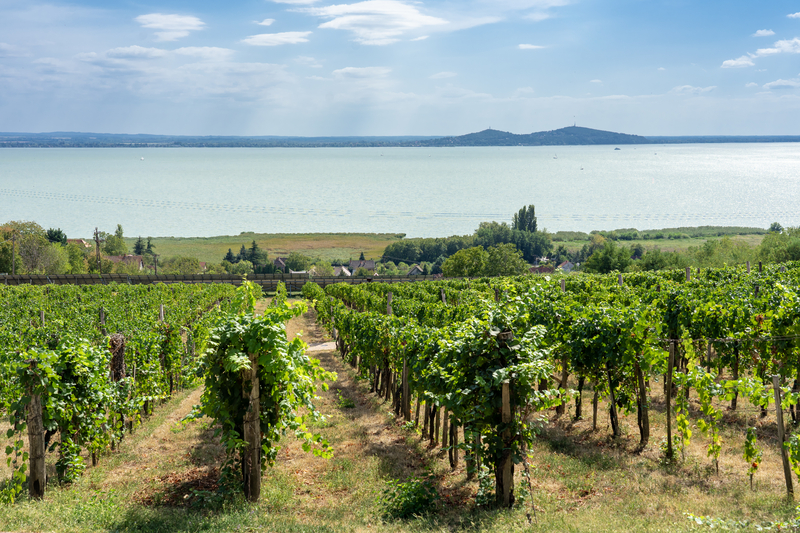
Lake Balaton
The volcanic hills and breezy microclimates around Central Europe’s largest lake create bright, mineral-driven wines.
- Balaton-felvidék
- Zala
- Badacsony
- Balatonfüred–Csopak
- Balatonboglár
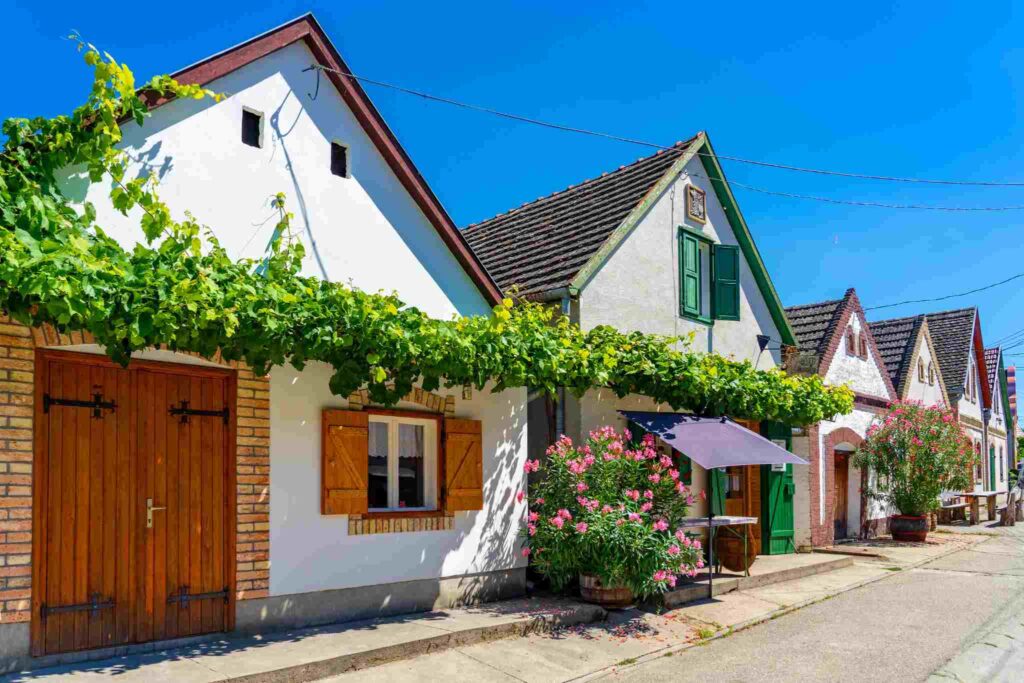
Great plain
Warm, sunny, and flat, this area produces fruit-forward wines and accounts for much of Hungary’s volume.
- Hajós–Baja
- Kunság
- Csongrád
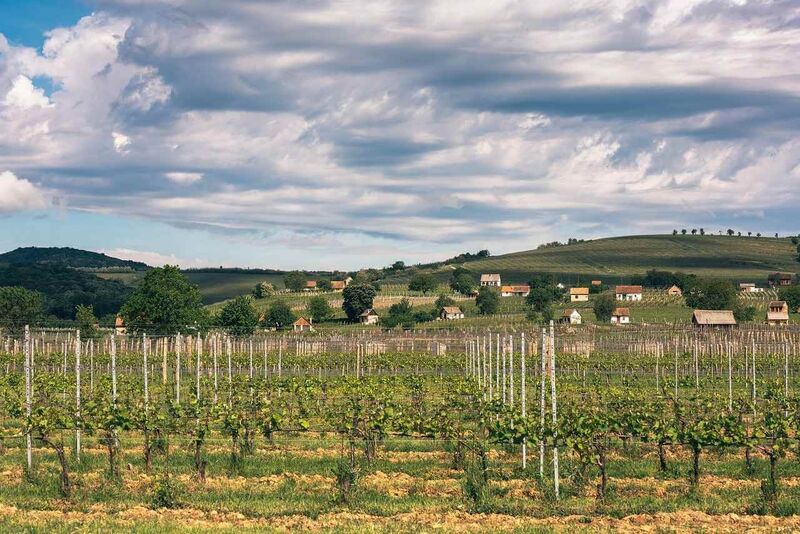
Transdanubia & West
Cooler climate, monastic history, and clean, structured wines define this western cluster.
- Etyek–Buda
- Neszmély
- Somló
- Mór
- Pannonhalma
- Sopron
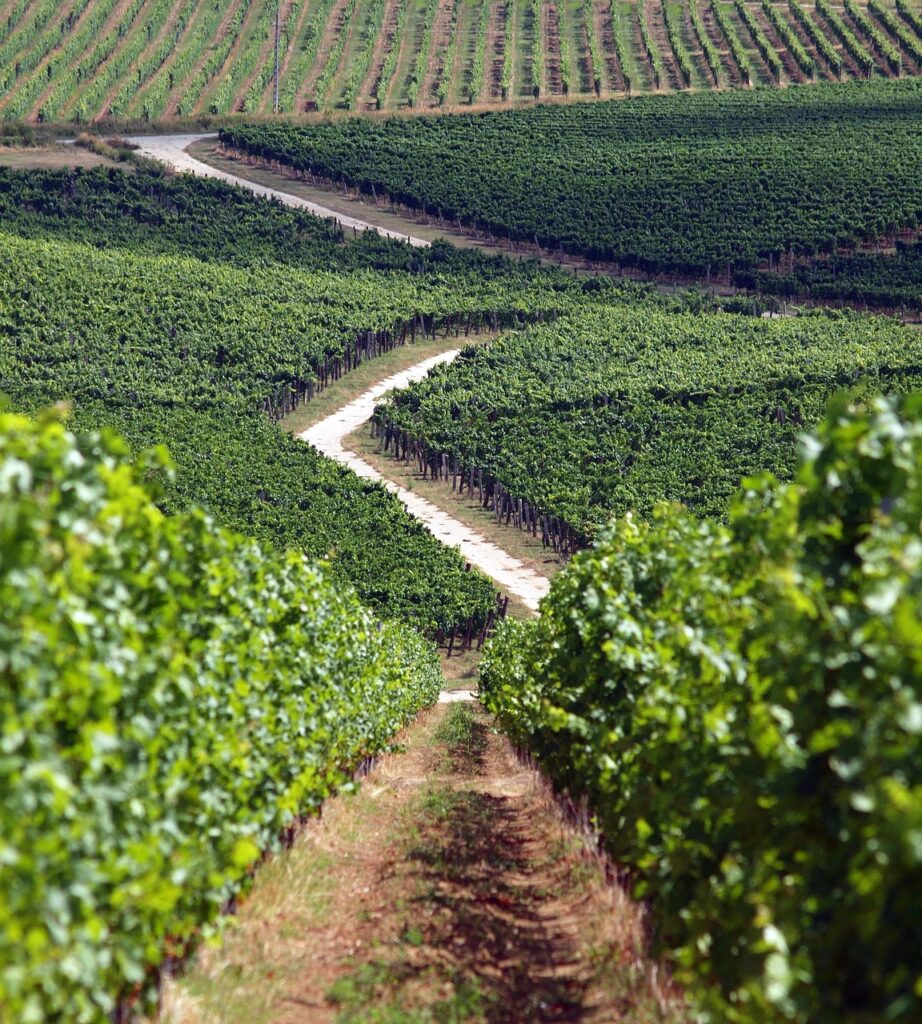
Southern Hungary
Rich soils and warm temperatures produce structured reds and spicy blends.
- Tolna
- Villány
- Szekszárd
- Pécs