FURMINT:
HUNGARY’S FLAGSHIP GRAPE
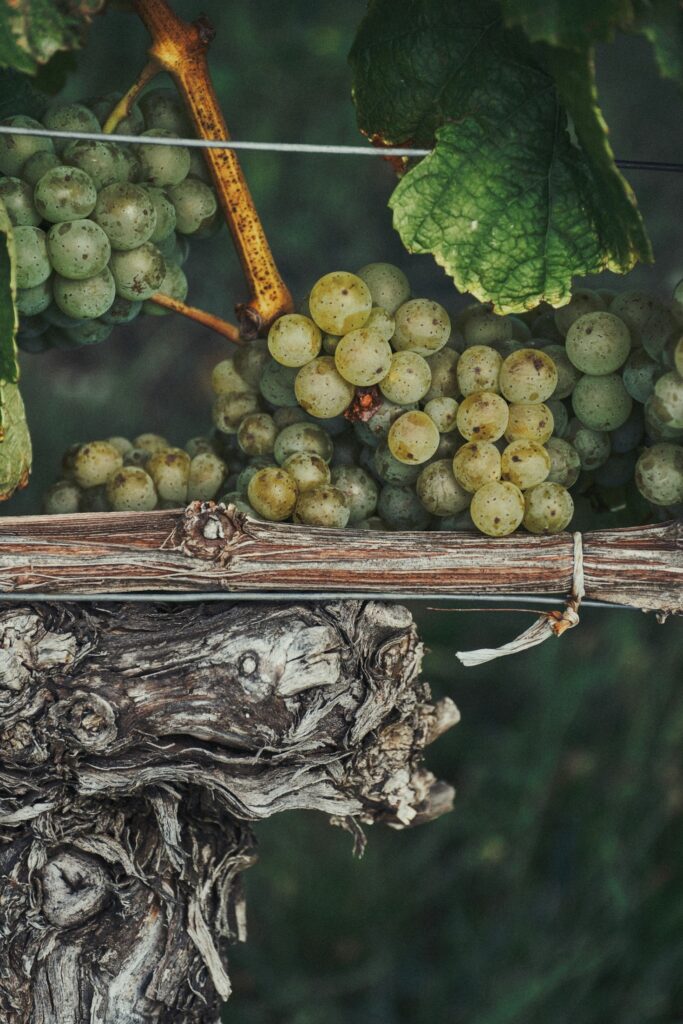
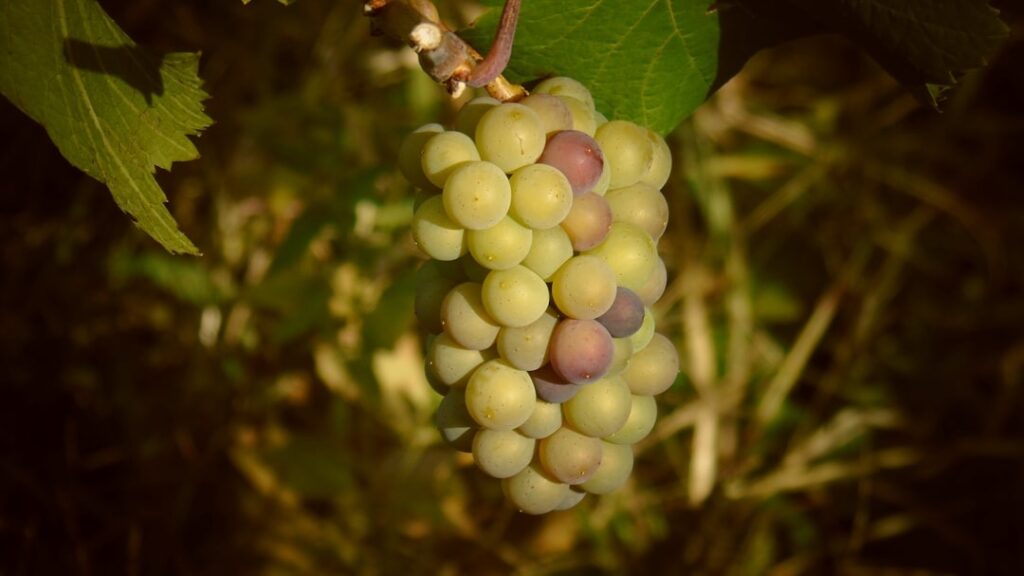
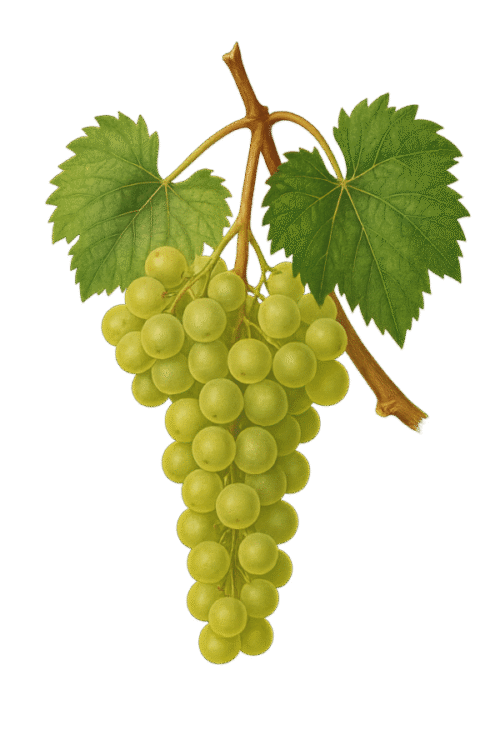
With razor-sharp acidity, salty minerality, and long ageing potential, Furmint makes both Tokaj’s legendary sweet wines and some of Europe’s most precise dry whites.
HISTORY OF FURMINT
Furmint has been cultivated in Hungary for centuries, with its first written mention dating back to the 16th century. It became central to Tokaj’s fame as the backbone of Aszú, the world’s first botrytised sweet wine.
Today, it is enjoying a renaissance as winemakers turn to drier, terroir-driven styles that highlight its volcanic minerality.

“If Furmint were grown in France, it would be as famous as Chardonnay.”
— Steven Spurrier, British wine critic
FURMINT TASTE PROFILE & WINEMAKING STYLE

Green apple

Lime

Pear

Quince
Body
Acidity
Sweetness
Alcohol
SWEET WINES
Tokaji Aszú and Szamorodni, made with noble rot (botrytis cinerea).
DRY WINES
Modern volcanic whites with precision and minerality.
SPARKLING
High acidity makes it ideal for méthode traditionnelle fizz.
ORANGE
Small producers experiment with skin-contact and unfiltered styles.

PAIR IT LIKE A LOCAL
Dry Furmint: shellfish, Asian cuisine, poultry, creamy cheeses.
Sweet Furmint (Aszú): foie gras, blue cheese, fruit-based desserts.
Somló Furmint: roasted pork, smoked fish, wild mushroom dishes.
Skin-contact / Orange Furmint: hearty vegetarian dishes, aged cheeses, lamb, Middle Eastern spices.
WHERE FURMINT THRIVES
Tokaj
The spiritual home of Furmint, producing both Aszú and precise dry whites.
Somló
Tiny volcanic hill in western Hungary, producing fiery, age-worthy Furmint with smoky character.
Balaton Highlands
Cooler-climate expressions with bright citrus and floral tones.
HUNGARIAN GRAPES. UNFOLDED