HUNGARY’S NATIVE GRAPES
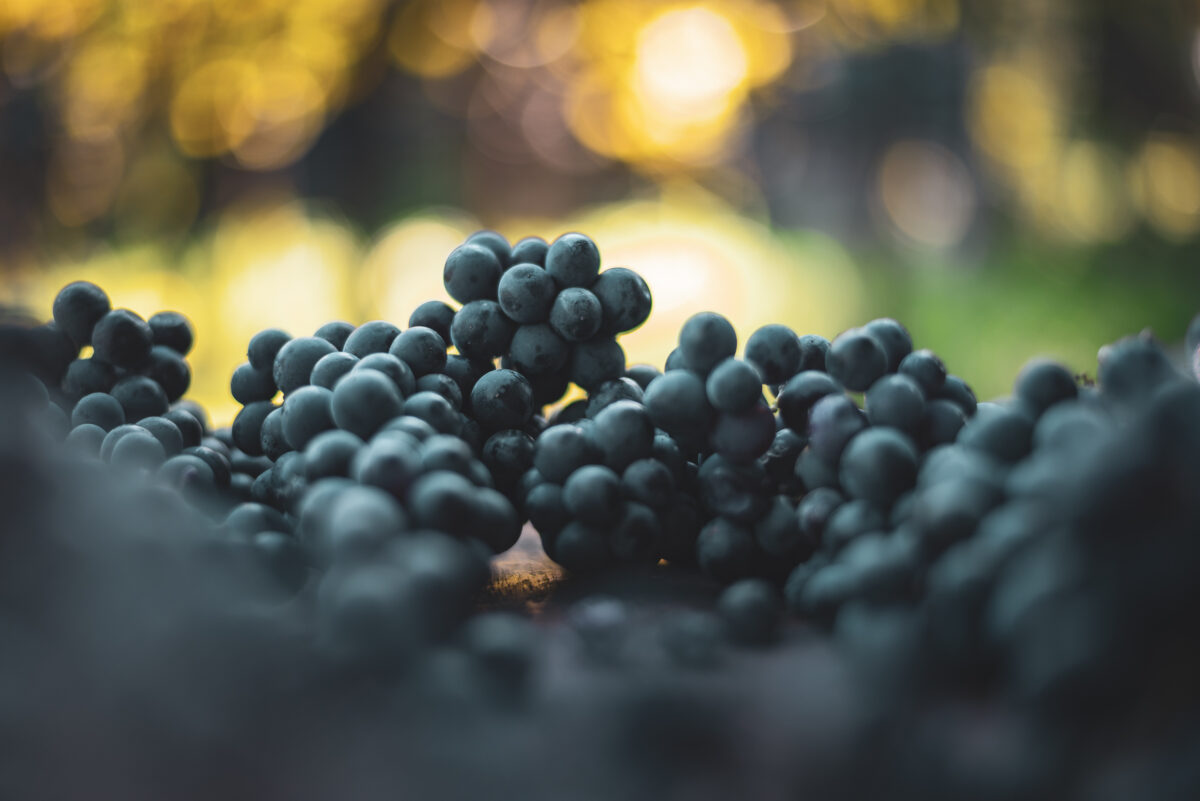
With more than 30 indigenous grape varieties, Hungary’s vineyards preserve a thousand years of winemaking heritage. From the mineral-driven Furmint of Tokaj to the lively spice of Kékfrankos, these grapes give Hungarian wine its distinctive voice.
WHAT MAKES HUNGARIAN GRAPES SPECIAL?
Indigenous & rare
Many of Hungary’s grapes grow almost nowhere else, offering a fresh taste beyond international classics.

Volcanic roots
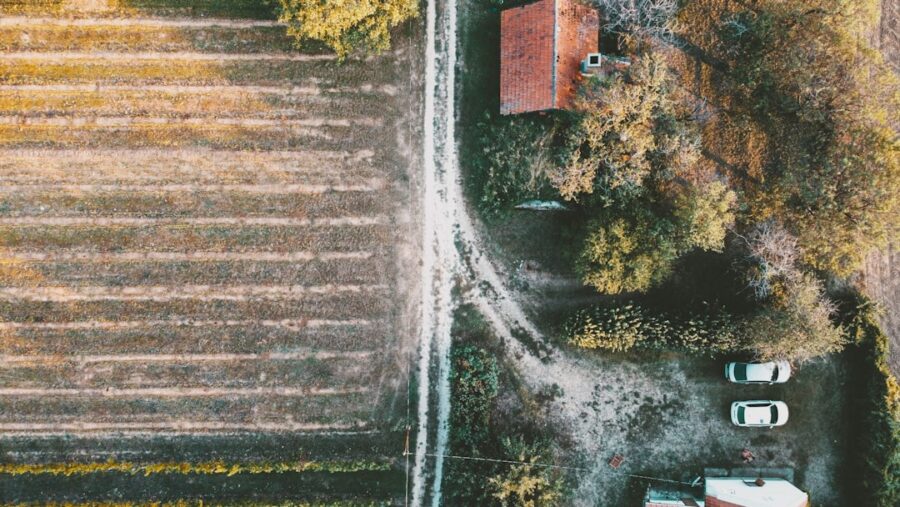
Regions like Tokaj and Somló shape grapes in mineral-rich soils that bring layered complexity.

Crafted by families
Most vineyards are small, family-run plots, focusing on quality and heritage over volume.
“The future of Hungarian wine lies in the revival of its native grapes.”
Jancis Robinson, Wine Grapes
MEET THE GRAPES
Hungary is home to over 30 indigenous wine grapes, but a handful stand out as the country’s signature varieties. Meet six of the most important native grapes shaping Hungary’s wine identity today.
JUHFARK
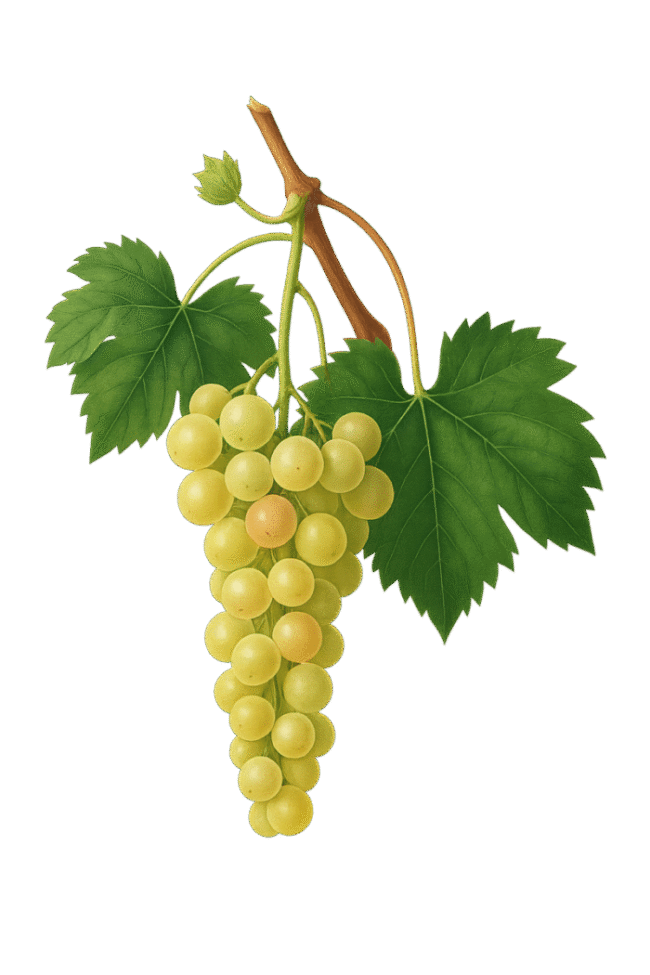
Grown almost exclusively on the volcanic hill of Somló, Juhfark is famous for its piercing acidity and salty, flinty minerality. A true terroir grape, often called Hungary’s most “volcanic” wine.
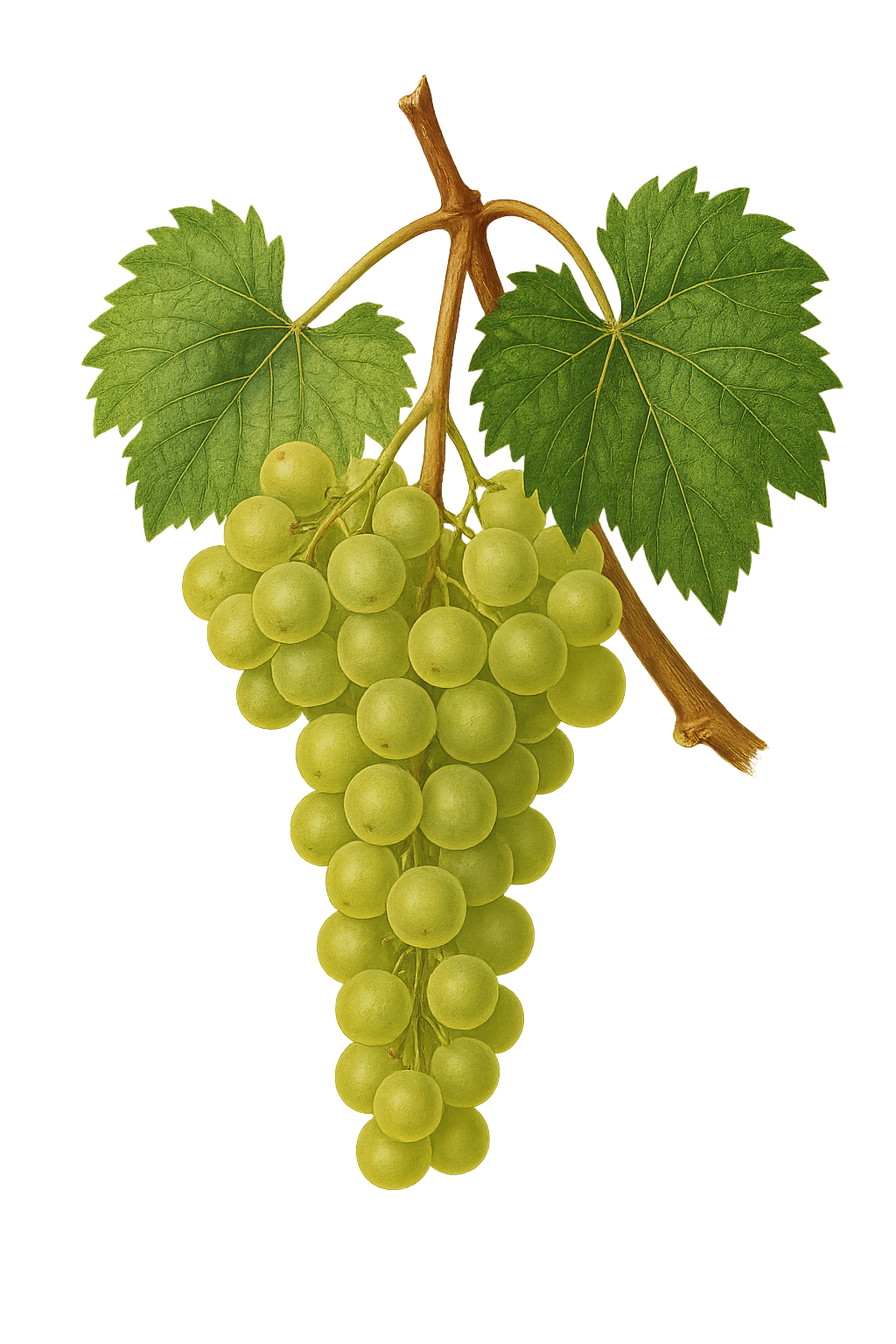
FURMINT
Hungary’s flagship white variety. Essential in Tokaji Aszú sweet wines, but now equally celebrated as dry Furmint — crisp, structured, with apple, pear, and wet stone notes.
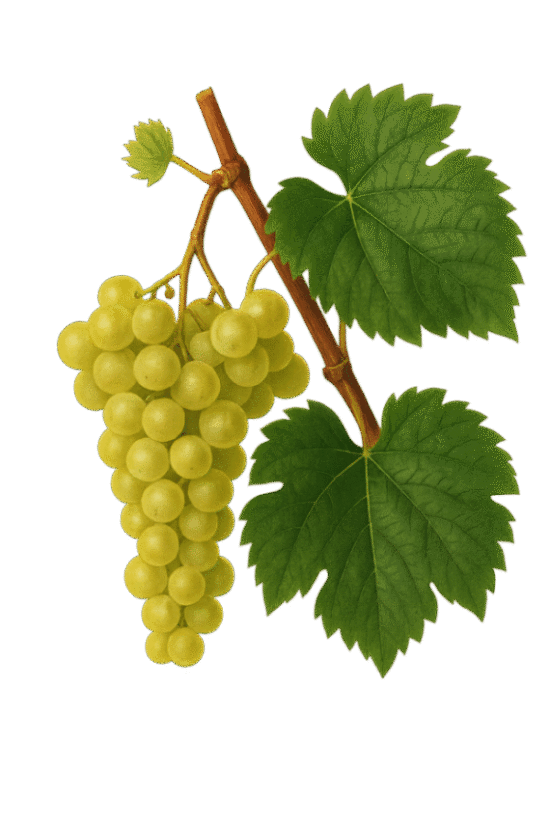
HÁRSLEVELŰ
Often blended with Furmint in Tokaj, Hárslevelű adds floral aromatics and softens structure. Also found in Somló, where it gains mineral complexity.
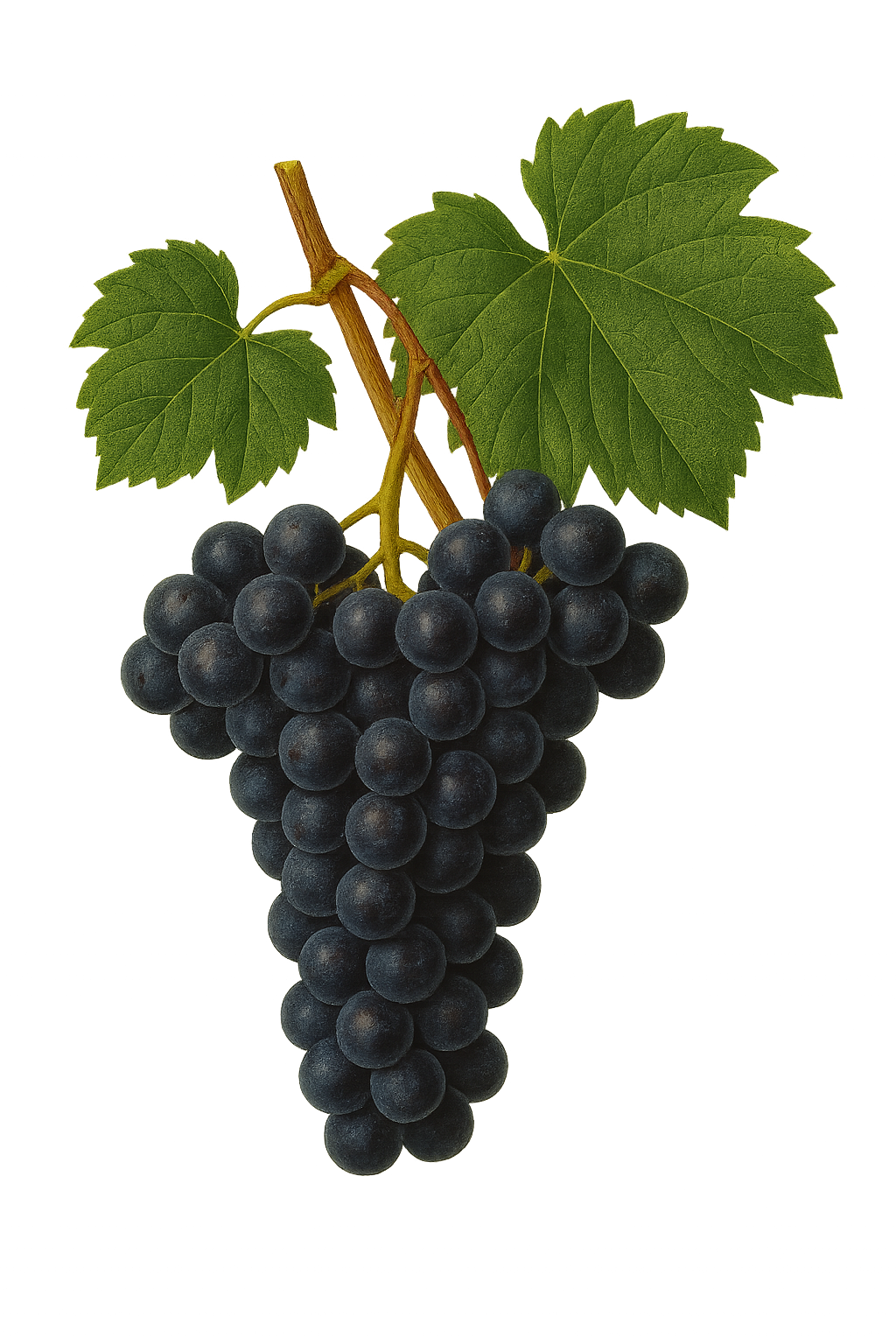
KÉKFRANKOS
Hungary’s most planted red grape, known elsewhere as Blaufränkisch. Bright acidity, cherry fruit, and gentle spice make it versatile for blends and elegant single varietals.
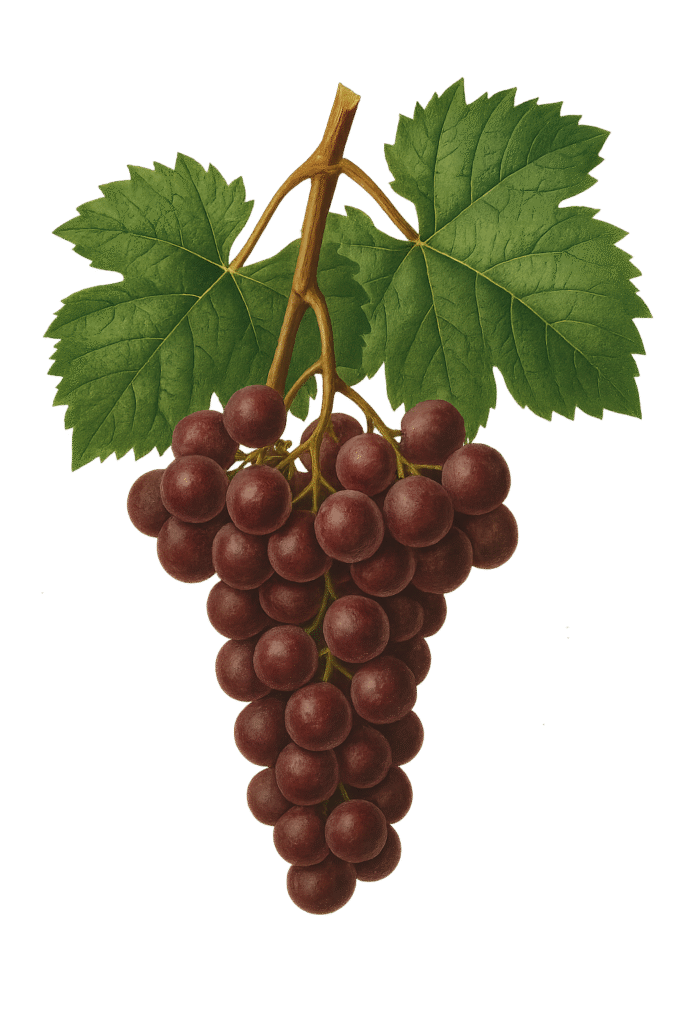
KADARKA
A delicate, light-bodied red with earthy, peppery character — often compared to Pinot Noir. Once nearly lost, now revived in Szekszárd and Eger.
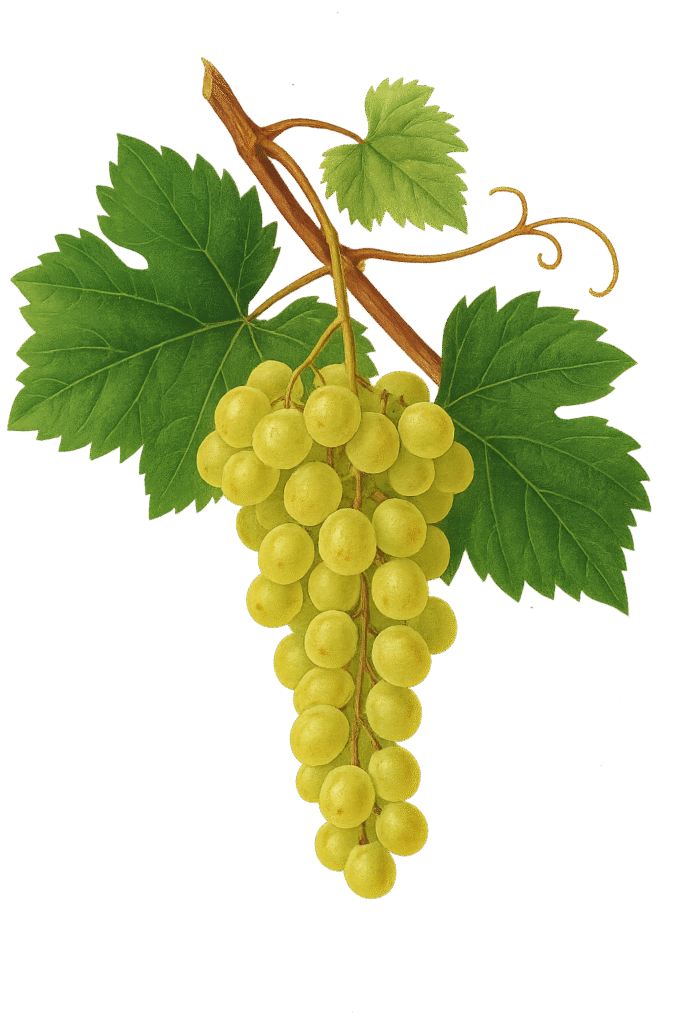
KÉKNYELŰ
A rare and challenging grape, grown mainly on the volcanic slopes of Badacsony (Lake Balaton). Produces subtle, mineral-driven whites with elegant acidity.

“If Furmint were grown in France, it would be as famous as Chardonnay.”
— Steven Spurrier, British wine critic
OUR PICKS
-
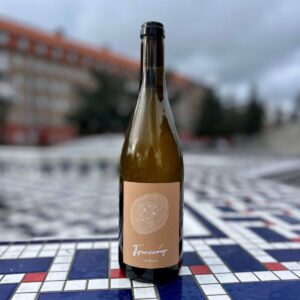
Tomcsányi HÁRSLEVELŰ 2023
269,00 kr. -
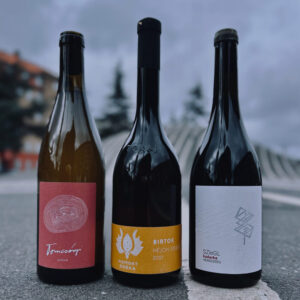
ROOTS tasting box
649,00 kr. -
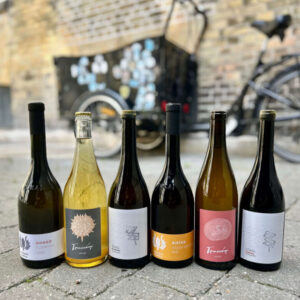
Hungarian Natural Wine Tasting Box
1.199,00 kr. -
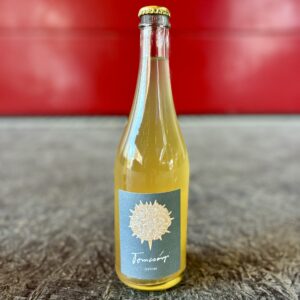
Tomcsányi PÉT NAT 2023
209,00 kr. -
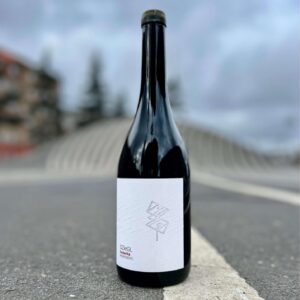
Sziegl Kadarka HERREBERG 2024
239,00 kr. -
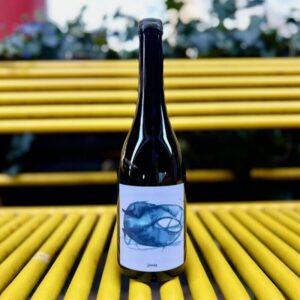
Sziegl JÓNÁS 2023
209,00 kr.
OTHER INTERESTING HUNGARIAN GRAPES
Beyond the six most important, Hungary is home to many lesser-known indigenous grapes that add depth and diversity to the country’s wine story. These varieties are often made in small quantities, treasured by adventurous producers, and worth seeking out for their distinctive character.
Olaszrizling
Hungary’s most widely planted white. Despite the name, unrelated to Riesling. Crisp, herbal, with almond and a touch of salinity near Lake Balaton.
Cserszegi Fűszeres
An aromatic, floral variety with elderflower, spice, and tropical fruit notes. Playful yet balanced by refreshing acidity.
Kövidinka
An old white variety from the southern Great Plain. Fresh and approachable, with soft citrus, floral notes, and gentle acidity. Traditionally made as an easy-drinking, everyday wine.
Piros Bakator
A nearly forgotten red grape once treasured in Transdanubia. Light-bodied, with bright red fruit, subtle spice, and a touch of earthiness. Rarely planted today but prized for its delicacy.
Ezerjó
The hallmark of the Mór wine region. High in acidity, making fresh still wines and lively sparkling wines.
Zéta
A Tokaj grape created by crossing Furmint with Bouvier. Early ripening and very susceptible to noble rot, making it perfect for botrytised sweet wines.
Kabar
A newer Tokaj variety bred from Hárslevelű and Bouvier. Naturally aromatic, with honeyed, floral character and high sugar levels, often used in late-harvest and sweet wines.
Bíborkadarka
A Kadarka cross producing light reds and rosés with bright fruit and vivid color.
Fekete Leányka
A silky red originally from Transylvania. Aromatic, with dark cherry, violets, and spice.
Turán
An intensely colored, spicy grape, mostly used to add depth and structure to blends.

Book a wine tastings
We offer customized wine tastings where you can learn about Hungary’s rising wine scene, native grapes and volcanic wines.
We keep it low-key, story-led, and designed to spark good conversation.