
Your basket is currently empty!
HUNGARIAN NATURAL WINE
Natural Hungarian wine is one of Europe’s most exciting yet under-the-radar wine movements. Built on centuries of winemaking tradition and powered by a new generation of small producers.
From the volcanic slopes of Tokaj and Somló to the sandy soils of Hajós-Baja, Hungary offers a rare combination of indigenous grape varieties, high acidity, and terroir-driven character.
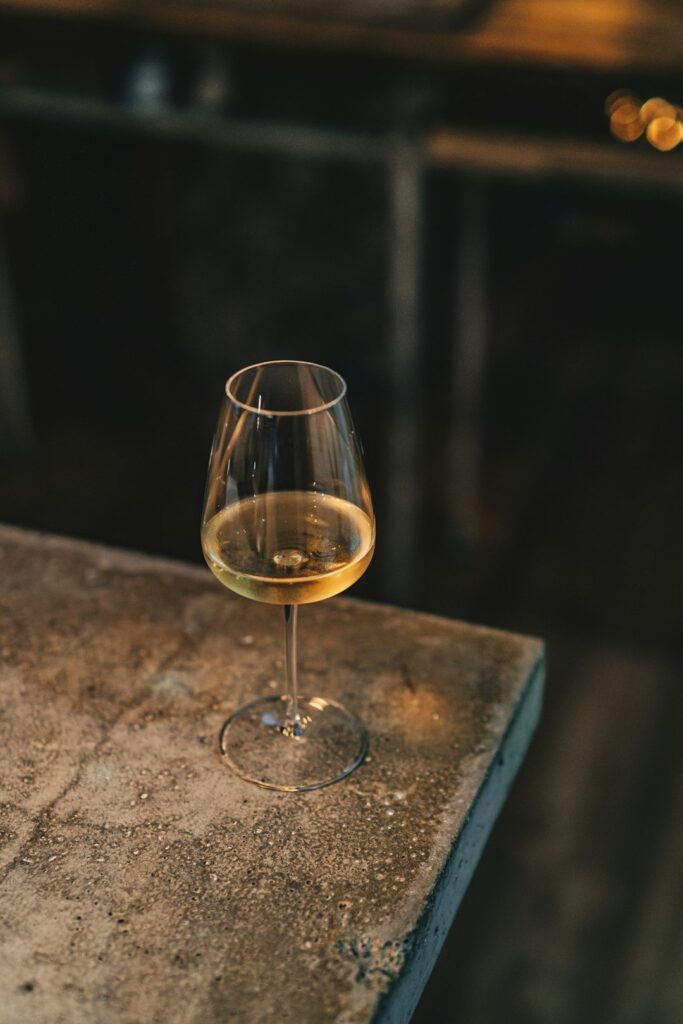
WHAT IS HUNGARIAN NATURAL WINE?
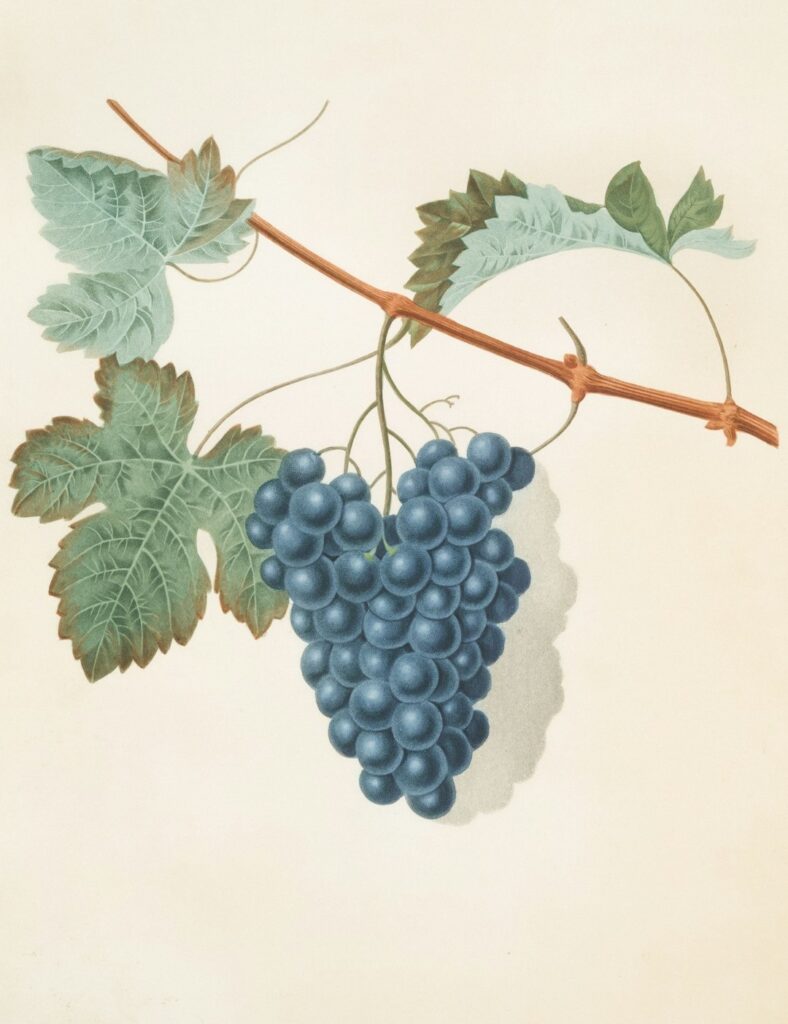
Natural Hungarian wine follows the same core principles as natural wine elsewhere:
- Organic or biodynamic farming
- Hand-harvested grapes
- Spontaneous fermentation with native yeasts
- Minimal sulphur
- No unnecessary additives or manipulation
What makes Hungary different is not just the philosophy — it is the raw material.
Hungary has more than 30 indigenous grape varieties, many of which are rarely grown outside the country. These grapes evolved in local climates and soils, making them uniquely expressive when farmed naturally.
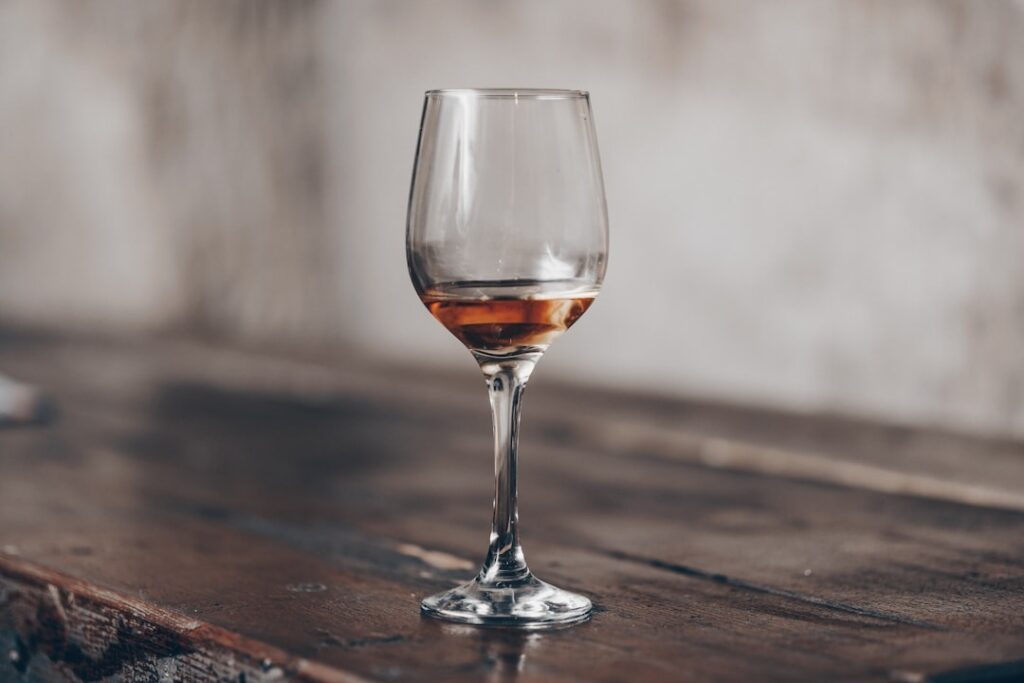
SKIN-CONTACT & ORANGE WINES FROM HUNGARY
Hungarian natural winemakers have embraced skin-contact techniques, especially with aromatic white varieties. Expect:
- Amber colour
- Tea-like tannins
- Dried apricot, herbs and citrus peel
- Salty, mineral finish
Skin-contact Furmint and Hárslevelű from volcanic sites are among the most exciting expressions of Central European orange wine.
NATIVE HUNGARIAN GRAPES TO KNOW
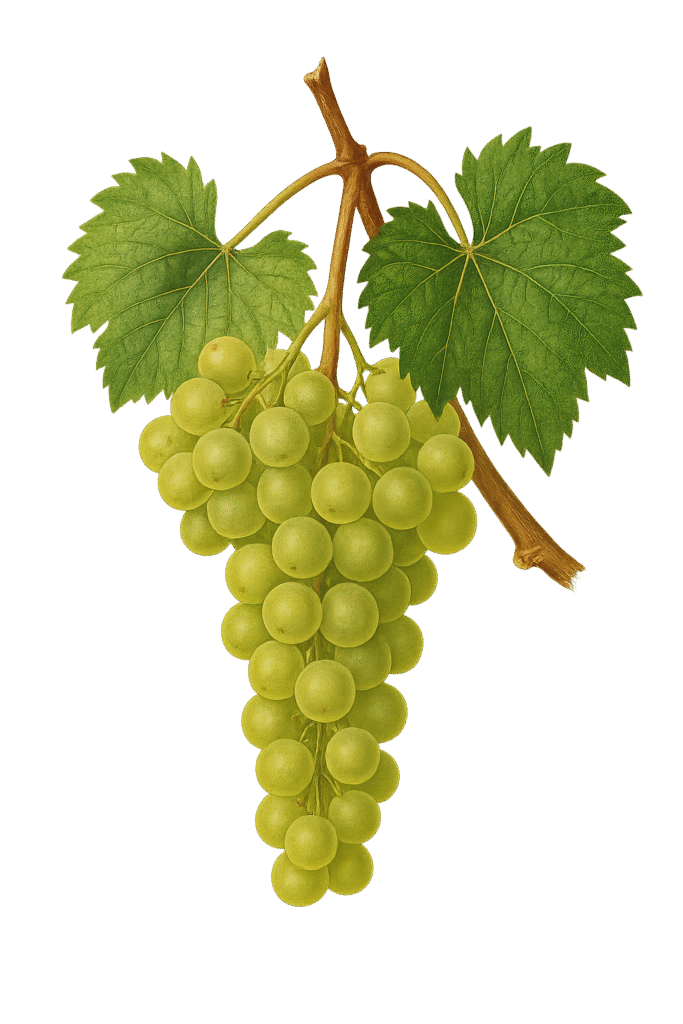
Furmint
High acidity, precision and volcanic minerality. Often compared to dry Riesling or white Burgundy — but with its own edge.
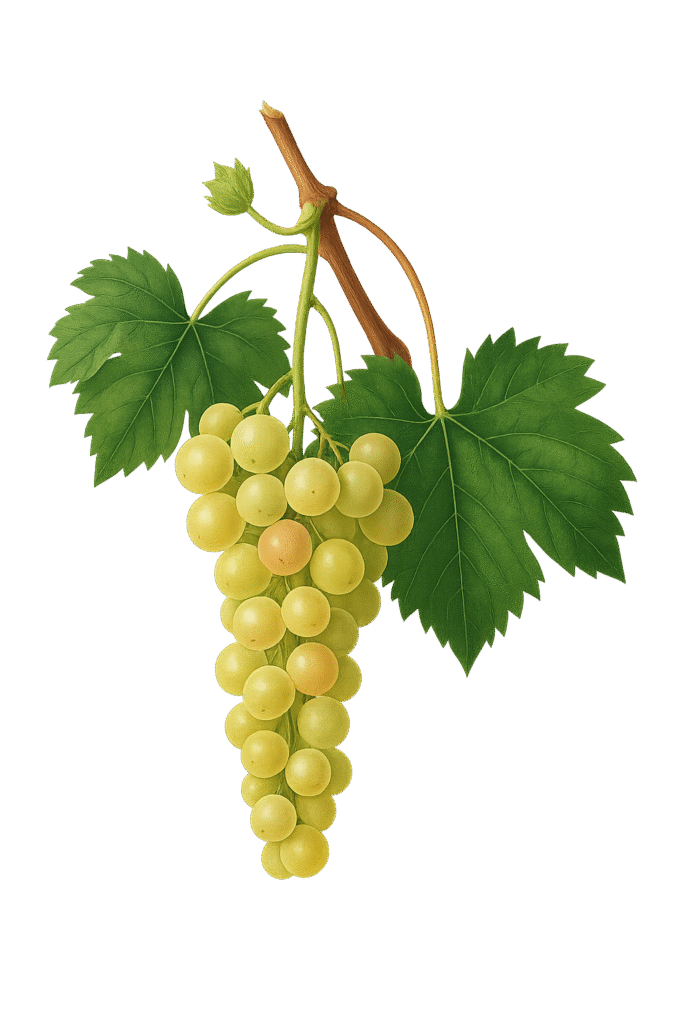
Juhfark
Somló’s signature grape. Saline, smoky and age-worthy.
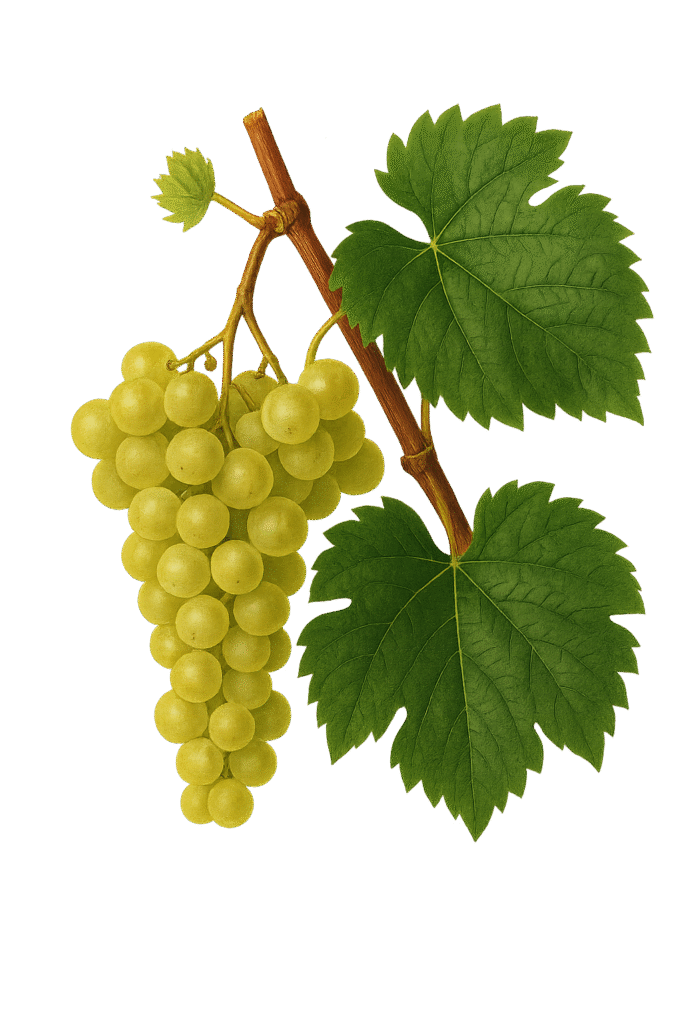
Hárslevelű
Floral, textured and slightly broader. Frequently used in skin-contact (orange) styles.
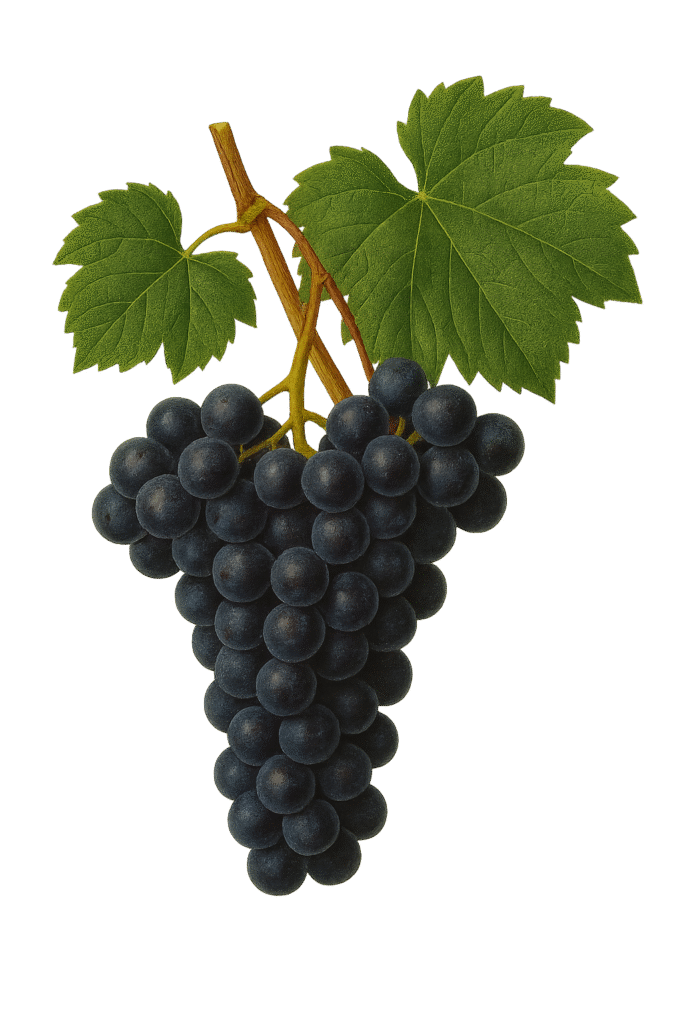
Kékfrankos
Hungary’s flagship red variety. Bright cherry fruit, spice and elegance.
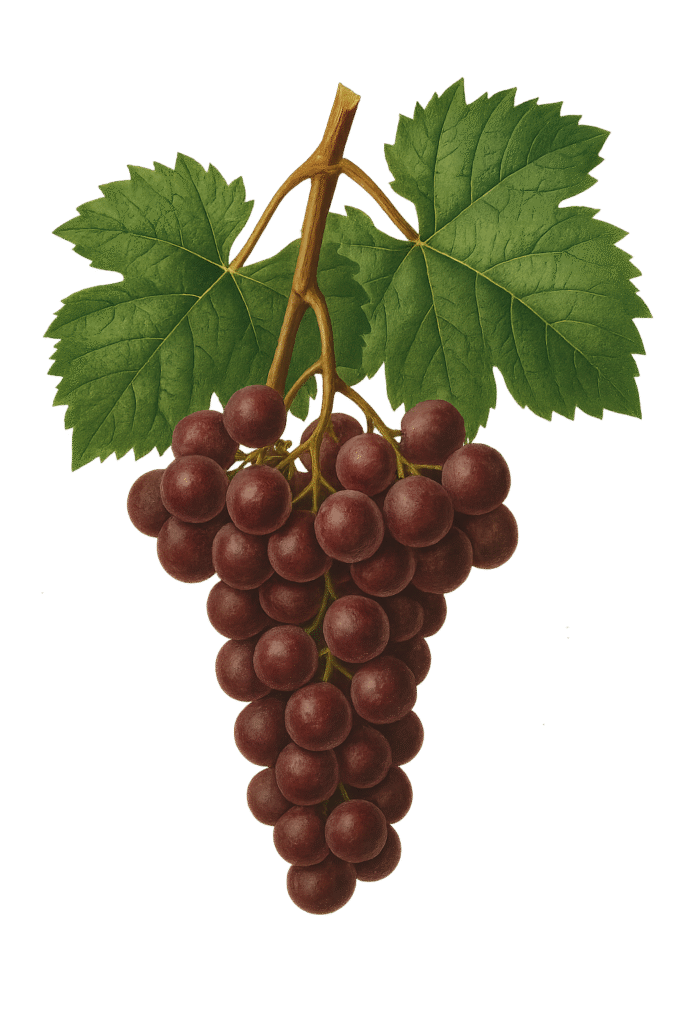
Kadarka
Light-bodied, aromatic and peppery — ideal for fresh, chillable reds.
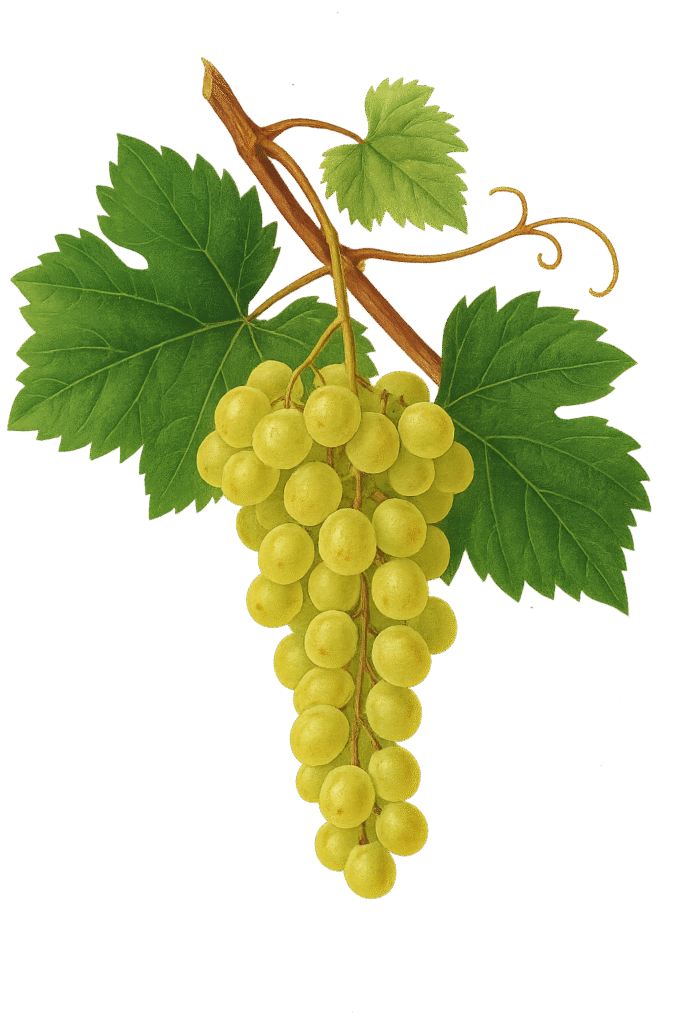
Kéknyelű
Rare and almost exclusively grown near Lake Balaton. Textural, mineral and subtle — often produced in small natural batches.
Those who inspire us…
Meet our winemakers
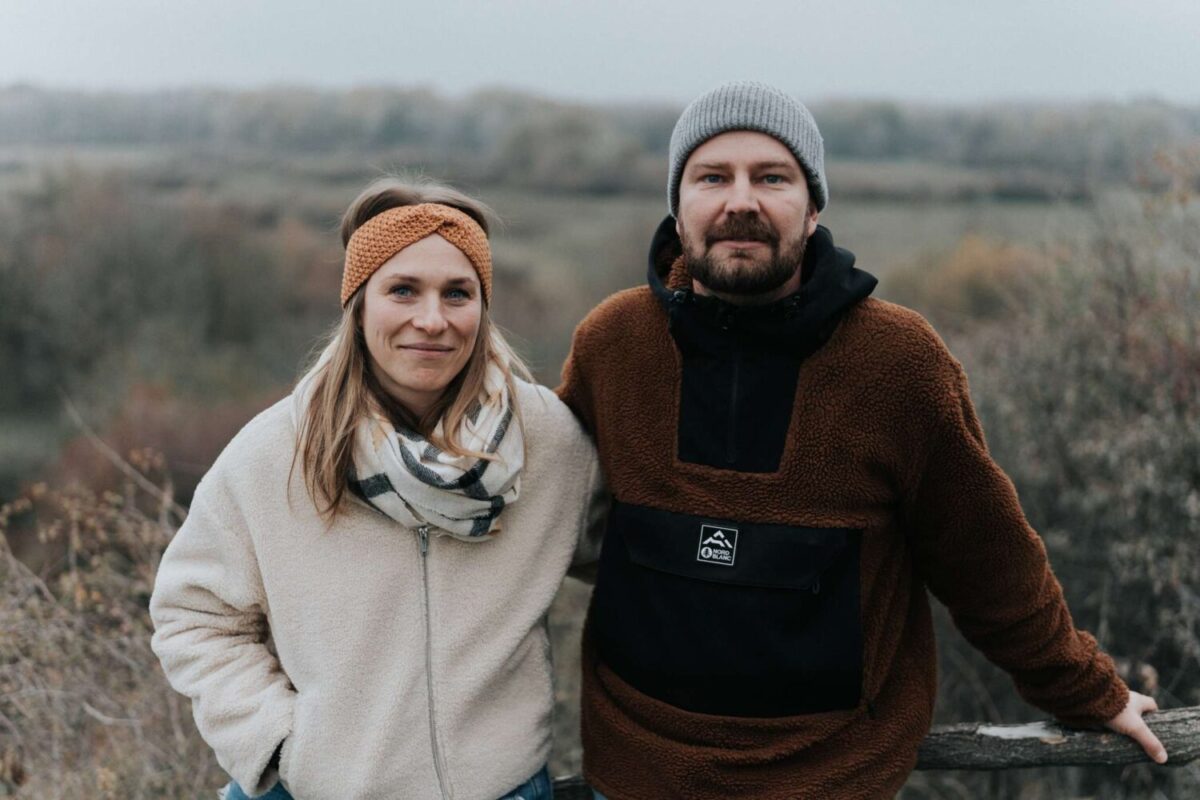
Sziegl Winery
Hajós-Baja
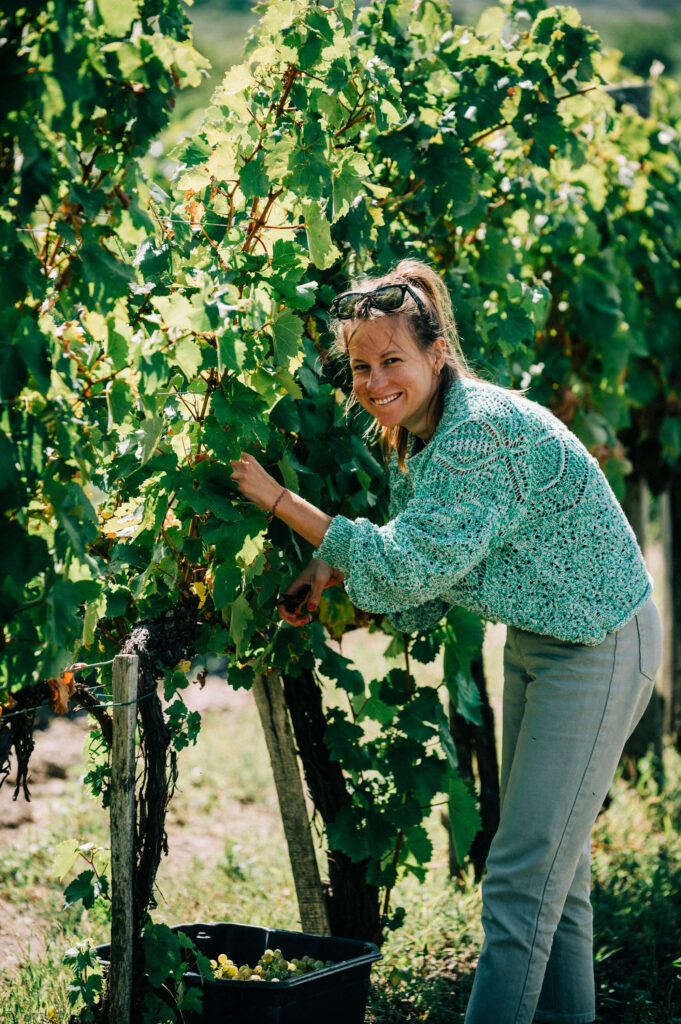
Homoky Dorka
Tokaj
Tomcsányi Winery
Somló